Stránka 10 z 14
Re: Iluminace o lukostřelbě
Odeslal: 26 Ún 2017, 14:43
od lasky
tulce 11 az 15 storocie, europa, nemam k tomu zdroje.ak niekto nejaky spoznal napiste doplnim
Re: Iluminace o lukostřelbě
Odeslal: 01 Bře 2017, 12:51
od PeterL
lasky napsal: ↑26 Ún 2017, 14:43
tulce 11 az 15 storocie, europa, nemam k tomu zdroje.ak niekto nejaky spoznal napiste doplnim
Obrázky sú asi z tejto stránky
http://manuscriptminiatures.com/
s vyhľadávaním tulcov
http://manuscriptminiatures.com/search/ ... anuscript=
dá sa potom prekliať na pôvodný manuskript
odporúčam si pozrieť z tejto stránky aj fresky
Re: Iluminace o lukostřelbě
Odeslal: 27 Dub 2017, 20:17
od lasky
"Contempt", oeuvre d'Erik Thor Sandberg (Classical Surrealism)
Re: Iluminace o lukostřelbě
Odeslal: 16 Pro 2017, 12:04
od lasky
St. George killing the dragon ?
Flemish - 13th BCE ?
It's a great image - Anyone with more details please!
.... and the answer is,
Apollo and Python, Ovide moralisé en prose, Bruges ca. 1470-1480 (BnF, Français 137, fol. 8r).
Re: Iluminace o lukostřelbě
Odeslal: 16 Pro 2017, 12:08
od lasky
A close up from the beautiful vaulted ceiling in the Chapel at Ightham Mote. Ightham Mote (pronounced "item moat") is a medieval moated manor house close to the village of Ightham, near Sevenoaks in Kent.
Originally dating to around 1320, the building's importance lies in the fact that successive owners effected relatively few changes to the main structure, after the completion of the quadrangle with a new chapel in the 16th century. Nikolaus Pevsner called it "the most complete small medieval manor house in the country"
Highlights on the second floor of the house include the Old Chapel, built above the Crypt, and the New Chapel, built around 1480. This latter is a wonderfully panelled chamber with carved box pews, which also boasts a 16th century Spanish cross. The real treat, however, is above your head; look up, and marvel at the painted 16th century barrel-vaulted ceiling. Here there are Tudor symbols everywhere, including red roses, the Beaufort portcullis, and the castle representing Henry VIII's first wife, Catherine of Aragon. Further symbols are a quiver of arrows (also for Catherine of Aragon), the fleur-de-lys of France, and the roses of Lancaster and York.
Re: Iluminace o lukostřelbě
Odeslal: 07 Led 2018, 09:09
od lasky
....nemam zdroje.. ani autora...
Re: Iluminace o lukostřelbě
Odeslal: 09 Led 2018, 18:55
od lasky
The last vestiges of the warbow in English use. c1588 From the ballard "The true portraiture of the valiant English soldiers in their proceedings to the wars for the seruice of their prince, and honour of their countrey" c.1588 in the Pepys collection.
Re: Iluminace o lukostřelbě
Odeslal: 01 Bře 2018, 11:01
od slavicekvac
Dost luků je také na tapiserii z Bayeux o bitvě u Hastingsu.
Neumím vložit přílohu, sorry. Třeba se to naučím

Re: Iluminace o lukostřelbě
Odeslal: 01 Bře 2018, 11:30
od Kaša
Já na vkládání obrázků používám sweb.
O těch lučištnících z tapisérie z Bayeux víme, máš k nim něco konkrétního?
Já třeba vidím že lučištníky měl jen Vilda Dobyvatel, ale naši slavní angličani ani jednoho,
... taky že natahujou dolů k hrudníku - bradavce (jak jsme diskutovali v chatu), a taky že jeden z nich už má i slušnou zbroj (fálerku, šupinovku?).
Otázka je jak moc můžeme brát toto vyobrazení doslova? Už třeba vikingské luky byly stejně dlouhé nebo delší než chlap, a tady mají luky krátké.
Atd.
Kaša
Re: Iluminace o lukostřelbě
Odeslal: 11 Bře 2018, 16:33
od hawkwind
Tahají luky dolů k bradavce aby jim na iluminaci byly vidět hlavy.
Re: Iluminace o lukostřelbě
Odeslal: 11 Bře 2018, 16:36
od Kaša
Aha, takhle jsem nad tím nepřemýšlel.
Díky

Re: Iluminace o lukostřelbě
Odeslal: 21 Bře 2018, 18:25
od Honza F.
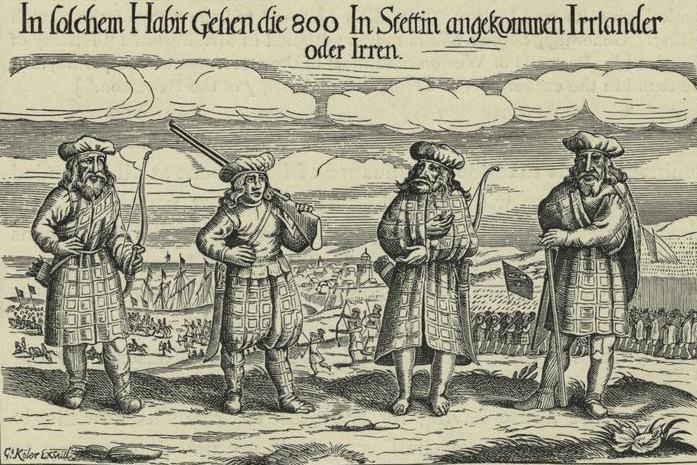
Skotští žoldnéři ve službách Gustava Adolfa, 1630 až 1631
Re: Iluminace o lukostřelbě
Odeslal: 10 Zář 2018, 20:07
od lasky
Nájdené na fb. Kuša s tisovym lučištom. Na 13 storočie.
Re: Iluminace o lukostřelbě
Odeslal: 26 Říj 2018, 12:21
od Honza F.
Re: Iluminace o lukostřelbě
Odeslal: 26 Říj 2018, 13:41
od Kaša
Hmmm .... dílo z let devadesátých 15. století od francouzkého umělce.
Hrot velmi podobný tudoru, hezké dlouhé nízké brka, červená nit na oplet, jenom nejde vidět skrz brka oplet.

Hezký nález iluminace.
